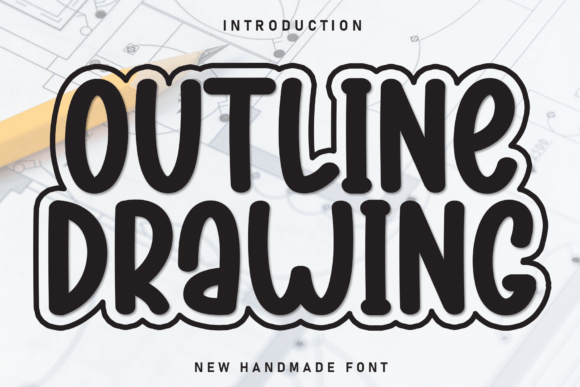
Outline Drawing: A Creative Tool for Design and Expression
Outline drawing is a fundamental technique in visual arts that involves creating the basic shape or structure of an object without adding color or detailed textures. This method allows artists to focus on form, proportion, and composition, making it an essential step in the creative process. Whether you're a professional designer or a hobbyist looking to refine your skills, understanding outline drawing can significantly enhance your ability to communicate ideas visually.
The Purpose and Benefits of Outline Drawing
At its core, outline drawing serves as a foundation for more complex artwork. It helps artists establish the spatial relationships between elements, ensuring that the final piece is balanced and cohesive. By focusing on the outer edges of objects, outline drawing enables creators to convey the essence of a subject quickly and effectively.
One of the primary benefits of outline drawing is its simplicity. Unlike detailed shading or coloring, outlining requires minimal materials—often just a pencil and paper. This makes it an accessible practice for people of all ages and skill levels. Additionally, outline drawings can be easily modified or refined, allowing for greater flexibility during the creative process.
Another advantage of outline drawing is its versatility. It can be used in various contexts, from sketching ideas for illustrations to planning layouts for graphic designs. The clean lines and clear shapes make it ideal for both digital and traditional mediums.
Key Features and Characteristics of Outline Drawing
- Minimalistic Style: Outline drawings are typically simple and uncluttered, emphasizing form over detail.
- Focus on Structure: They highlight the structural elements of an object, such as curves, angles, and contours.
- Adaptability: Outlines can be scaled, adjusted, or transformed into more elaborate designs with additional work.
- Time-Efficient: Creating an outline is often faster than working on a fully rendered piece, making it a great starting point for many projects.
These characteristics make outline drawing a valuable tool for anyone looking to develop their visual communication skills. Whether you're preparing for a design project or simply exploring your creativity, practicing outline drawing can help you build confidence and improve your artistic abilities.
Where Can Outline Drawing Be Used?
Outline drawing is not limited to traditional art forms; it has a wide range of applications across different industries and creative fields. Here are some common uses:
Graphic Design
In graphic design, outline drawings are often used as preliminary sketches for logos, branding materials, and website layouts. They allow designers to experiment with shapes and compositions before moving on to more detailed work.
Illustration and Animation
For illustrators and animators, outline drawings serve as the base for character designs and scene planning. These outlines can later be filled in with color, texture, and motion to create dynamic visuals.
Education and Learning
Outline drawing is also a popular teaching tool in art education. It helps students understand the fundamentals of drawing, such as perspective, anatomy, and proportion, in a structured and engaging way.
Personal Projects and Hobbyists
For those who enjoy drawing as a hobby, outline drawing offers a fun and rewarding way to explore new subjects and styles. It’s an excellent exercise for building muscle memory and improving hand-eye coordination.
Who May Benefit from Outline Drawing?
Outline drawing is beneficial for a wide range of individuals, including:
- Art Students: Those studying art or design can use outline drawing to develop foundational skills.
- Professionals: Designers, illustrators, and animators can incorporate outline drawing into their workflow for efficiency and creativity.
- Business Owners: Entrepreneurs can use outline drawings to visualize product concepts or brand identities.
- Creativity Enthusiasts: Anyone interested in visual storytelling or self-expression can benefit from this technique.
Regardless of your background or experience level, outline drawing provides a versatile and practical approach to visual creation. It encourages experimentation and helps you think critically about form and structure.
Strengths and Considerations
While outline drawing offers numerous advantages, it's important to consider its limitations and how they might affect your creative process. One key strength is its simplicity, which makes it easy to start and adapt. However, this same simplicity means that outline drawings may lack the depth and richness of fully rendered works.
Additionally, outline drawing is best suited for projects where the focus is on structure rather than detail. If your goal is to create highly realistic or emotionally expressive art, you may need to combine outline drawing with other techniques like shading, coloring, or texturing.
Despite these considerations, outline drawing remains a powerful and flexible tool. It allows you to capture the essence of an idea quickly while leaving room for further development and refinement.
Real-World Applications and Examples
Outline drawing is commonly used in various real-world scenarios, such as:
- Product Design: Designers use outline sketches to conceptualize new products before moving on to more detailed prototypes.
- Architecture: Architects often begin with outline drawings to plan the layout and structure of buildings.
- Fashion: Fashion designers sketch outline drawings of clothing items to explore different styles and silhouettes.
- Game Development: Game artists use outline drawings to plan character designs, environments, and level layouts.
These examples demonstrate how outline drawing can be applied across multiple disciplines. Whether you're working on a personal project or a professional endeavor, the principles of outline drawing can help you achieve better results.
Evaluating Suitability for Your Needs
When deciding whether outline drawing is right for your project, consider the following factors:
- Project Goals: Is your main objective to explore form and structure, or do you need a more detailed representation?
- Time Constraints: Are you working under a tight deadline? Outline drawing can help you move quickly through the initial stages of a project.
- Medium and Tools: What materials and tools are available to you? Outline drawing can be done with pencils, markers, or digital software.
- Intended Audience: Who will be viewing your work? Outline drawings may be more appropriate for certain audiences than others.
By evaluating these aspects, you can determine whether outline drawing is the best fit for your specific needs. It's also helpful to experiment with different approaches and see what works best for your creative process.
Conclusion
Outline drawing is a versatile and valuable technique that can enhance your creative expression and problem-solving skills. Whether you're a seasoned artist or just starting out, incorporating outline drawing into your practice can lead to more effective and engaging visual communication. With its simplicity, adaptability, and broad applications, outline drawing remains a timeless and essential part of the artistic journey.