Happy Place: A Strategic Tool for Creative Expression and Branding
The Happy Place font is more than just a design element—it’s a strategic asset for creators, entrepreneurs, and professionals seeking to communicate warmth, personality, and approachability through visual language. This unique handwriting display typeface blends the charm of hand-drawn lettering with the clarity of structured typography, making it an ideal choice for a wide range of creative and commercial applications.
What Makes Happy Place a Strategic Design Choice?
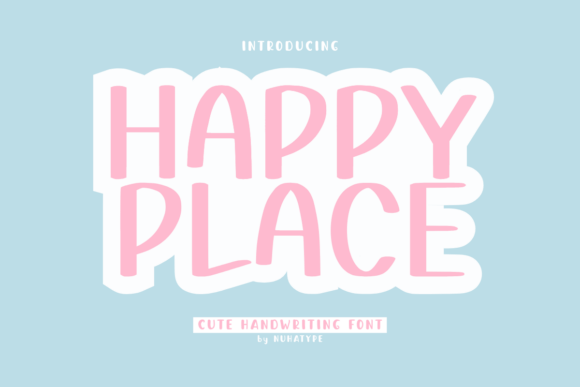
Happy Place stands out due to its thoughtful design elements that serve both aesthetic and functional purposes. The rounded edges and slightly irregular baseline evoke a sense of authenticity, as if each letter was drawn by hand rather than generated by software. This subtle imperfection adds character, making the font feel more personal and engaging. The built-in white offset shadow gives the text a three-dimensional quality that enhances readability and visual appeal, especially on busy or dark backgrounds.
Its bold structure ensures legibility even at smaller sizes, which is crucial for maintaining clarity in digital and print formats. This balance between playfulness and professionalism makes Happy Place versatile enough to fit into various branding strategies while still standing out in a crowded design landscape.
Strategic Use Cases for Happy Place
Happy Place is not just a decorative font—it can be strategically deployed to support specific goals and outcomes. For instance, when designing branding materials for children’s products, this font helps convey a sense of innocence and fun, aligning with the target audience’s expectations. Similarly, in social media content, using Happy Place can create a more relatable and engaging tone that resonates with younger audiences.
- Branding: Use Happy Place for logos, packaging, and promotional materials that require a friendly and memorable visual identity.
- Social Media: Incorporate it into quotes, captions, and headlines to add a playful and inviting tone.
- Greeting Cards: The font’s whimsical style is perfect for creating heartfelt, personalized messages.
- Marketing Collateral: Apply it to posters, banners, and email subject lines to capture attention quickly.
- DIY Projects: From stickers to tumblers, Happy Place adds a touch of creativity and charm to handmade items.
When to Use Happy Place Effectively
Happy Place works best when used intentionally rather than randomly. It should be reserved for situations where warmth, personality, and approachability are key. For example, it’s excellent for crafting birthday cards, baby shower invitations, or greeting cards that aim to evoke emotion and connection.
Avoid using Happy Place for long-form text or formal documents where clarity and consistency are paramount. Its informal nature may not be suitable for professional reports, legal documents, or academic writing. Instead, save it for short, impactful statements that benefit from a lighthearted and friendly tone.
Planning and Execution: Making Happy Place Work for You
To maximize the impact of Happy Place, start by defining your project’s goals and audience. Ask yourself: What message do I want to convey? Who is my target audience? How does this font align with my brand’s voice and values? These questions will help you determine whether Happy Place is the right fit for your design needs.
Once you’ve decided to use the font, consider how it will integrate with other design elements. Pair it with clean, modern fonts for headings and body text to maintain visual harmony. Experiment with different color combinations and background textures to enhance the font’s three-dimensional effect without overwhelming the viewer.
Also, think about the context in which the font will be used. Will it appear online or in print? What are the technical requirements? Understanding these factors will help you choose the best format and ensure optimal performance across platforms.
Practical Tips for Using Happy Place
Here are some practical tips to help you get the most out of Happy Place:
- Use it sparingly: Happy Place is a powerful tool, but overuse can dilute its impact. Save it for key elements like titles, headers, and call-to-action buttons.
- Test it in different environments: Preview your designs on various devices and backgrounds to ensure the font remains readable and visually appealing.
- Combine with complementary styles: Balance the font’s playful nature with more structured typography to maintain professionalism.
- Consider accessibility: Ensure that the font’s contrast and spacing meet accessibility standards, especially for users with visual impairments.
- Track your results: Monitor how your audience responds to designs featuring Happy Place. Adjust your strategy based on feedback and engagement metrics.
Risks of Misusing Happy Place
While Happy Place offers many benefits, there are risks associated with using it without clear goals or context. One common pitfall is relying on the font alone to make a design stand out. Without a cohesive design strategy, the font’s charm can become overwhelming or distracting.
Another risk is using Happy Place inappropriately for formal or professional settings. Its informal nature may clash with the expectations of certain audiences, leading to confusion or misalignment with brand messaging.
To avoid these issues, always consider the broader design context and ensure that the font supports, rather than overshadows, your overall message and objectives.
Long-Term Value of Happy Place
When used strategically, Happy Place can contribute to long-term value by enhancing brand recognition, improving user engagement, and fostering emotional connections with your audience. Its ability to inject personality into otherwise mundane content makes it a valuable addition to any designer’s toolkit.
For small business owners, educators, and freelancers, Happy Place can help differentiate their work in a competitive market. By consistently applying the font in ways that align with their brand identity, they can build a recognizable and memorable visual presence that resonates with their audience.
Ultimately, Happy Place is more than just a font—it’s a strategic design choice that can elevate your creative output and support your goals in meaningful ways. When used intentionally, it has the power to transform ordinary projects into memorable experiences.