Memorial Day: A Strategic Tool for Creativity, Planning, and Long-Term Success
Memorial Day is more than just a holiday. It’s a moment in time that carries deep meaning, but it also offers a unique opportunity to pause, reflect, and strategically align with your goals. While many people use this day for remembrance and celebration, there’s an overlooked potential for leveraging Memorial Day as a catalyst for planning, creativity, and long-term decision-making. Whether you're an entrepreneur, marketer, designer, or simply someone who values intentional living, understanding how to use Memorial Day intentionally can lead to better outcomes.
The Strategic Value of Memorial Day
Memorial Day is a time when we honor those who have made the ultimate sacrifice. But beyond its emotional weight, it also represents a strategic pause—a break from the routine that allows for reflection and recalibration. In a world that often prioritizes constant motion, taking a moment to step back can be incredibly valuable. This is where Memorial Day becomes a tool for strategic thinking.
Strategically, Memorial Day can serve as a reset button for your personal or professional life. It's a chance to evaluate what’s working, what isn’t, and what needs adjustment. By using this day not just for remembrance but for planning, you can set the stage for future success. This approach aligns with the principles of goal-setting and long-term thinking, which are essential for achieving meaningful results.
How to Use Memorial Day for Planning and Decision-Making
One of the most practical ways to use Memorial Day is to integrate it into your planning process. Consider it a dedicated time for reviewing past performance, setting new goals, and identifying areas for improvement. Here are a few strategies to help you make the most of this day:
- Review and Reflect: Take time to assess your progress toward your goals. What has worked well? What hasn’t? Use this insight to refine your approach moving forward.
- Set New Goals: With a fresh perspective, set clear, actionable goals for the coming months. These should be specific, measurable, and aligned with your broader vision.
- Plan for the Future: Use this time to outline steps you’ll take in the next quarter or year. Break down larger objectives into smaller, manageable tasks.
- Recharge Your Energy: Memorial Day is also an opportunity to recharge. Whether through rest, self-care, or creative pursuits, taking care of yourself is essential for sustained productivity.
By approaching Memorial Day with intention, you’re not just honoring the past—you’re investing in your future. This mindset supports long-term outcomes by ensuring that your efforts are purposeful and well-considered.
Designing with Purpose: The Decorative Handwritten Font
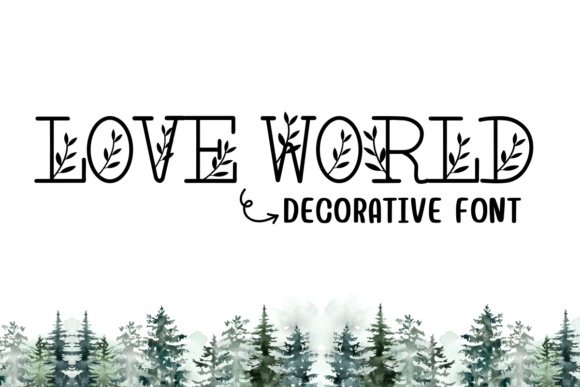
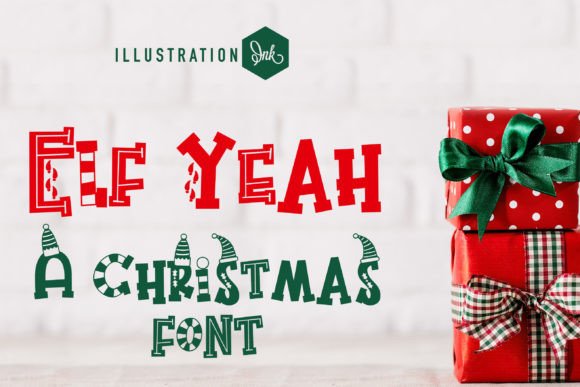
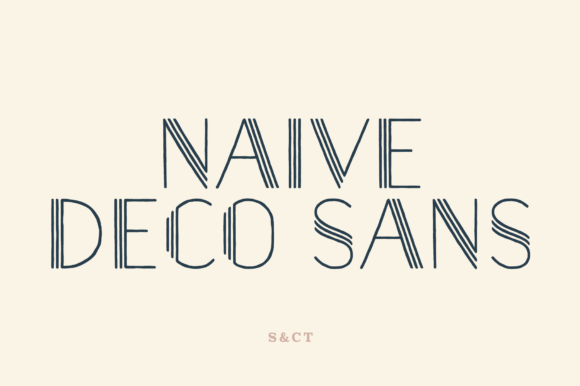
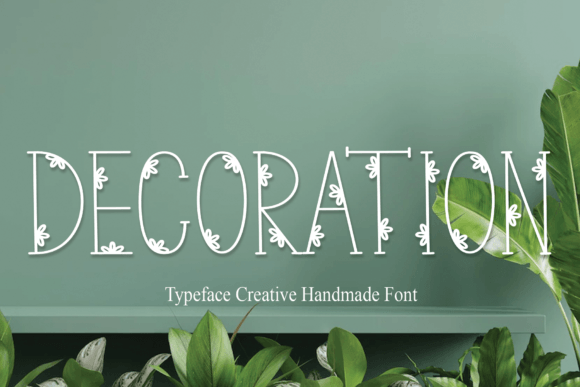
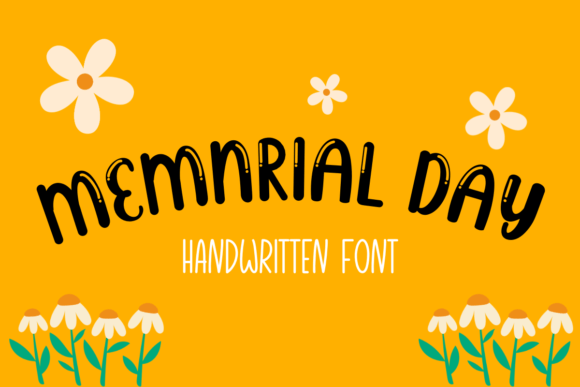
While Memorial Day itself may not be directly related to design, the decorative handwritten font associated with this holiday can be a powerful tool for communication and creativity. This font adds a personal touch to your work, whether you're creating notes, greeting cards, or digital content.
Consider using this font for:
- Notes and Journals: A handwritten style can make your writing feel more authentic and engaging, especially when documenting ideas or reflections.
- Greeting Cards: Adding a personal touch to your messages can strengthen relationships and create a lasting impression.
- Marketing Materials: For small businesses or creative professionals, this font can help differentiate your brand and make your content stand out.
- Social Media Posts: Using a decorative font in your posts can add visual interest and encourage engagement.
However, it's important to use this font thoughtfully. While it can enhance your message, overuse or misuse can detract from clarity and professionalism. Always consider your audience and the context in which you're using the font. A handwritten style works best in situations where warmth, personality, and creativity are valued.
When to Use It and How to Approach It
The key to successfully using the decorative handwritten font lies in knowing when and how to apply it. Here are some guidelines to help you decide:
- For Personal Projects: If you're creating something for yourself or a close group of people, the handwritten font can add a sense of intimacy and connection.
- For Creative Work: When designing for clients or audiences that appreciate artistic expression, this font can elevate your work and make it more memorable.
- For Branding: Use the font sparingly in branding materials to maintain consistency while adding a unique touch.
- For Digital Content: Ensure that the font is legible on screens and doesn't compromise readability. Test it across different platforms and devices.
Approaching the font with purpose means using it to support your message rather than overshadow it. Think about how it aligns with your overall strategy and whether it enhances the experience for your audience.
Practical Examples and Strategic Observations
Let’s look at a few real-world examples of how Memorial Day and the decorative handwritten font can be used together to achieve strategic outcomes:
Example 1: Marketing Campaigns
A small business owner might use Memorial Day as a time to launch a new product line. By incorporating the decorative font into marketing materials, they can create a visually appealing campaign that resonates with their target audience. This approach not only honors the spirit of the day but also positions the brand as thoughtful and creative.
Example 2: Personal Branding
A freelancer could use Memorial Day to update their portfolio or website. By applying the handwritten font to key sections, they can add a personal touch that reflects their unique style and values. This helps them stand out in a competitive market and attract clients who appreciate authenticity.
Example 3: Educational Content
An educator might use Memorial Day to create lesson plans or student projects that incorporate the decorative font. This can make learning more engaging and foster a deeper connection between students and the material.
These examples show how combining the strategic value of Memorial Day with the visual appeal of the decorative font can lead to meaningful results. The key is to use both elements with intention and purpose.
Risks of Using Without Clear Goals
While the decorative handwritten font and Memorial Day can be powerful tools, they are not without risks. Using them without clear goals or context can lead to confusion, misalignment, and wasted effort. Here are a few potential pitfalls to avoid:
- Lack of Focus: Without a clear objective, using these elements can become random or superficial, failing to deliver the intended impact.
- Misaligned Messaging: The handwritten font can sometimes come across as unprofessional if used inappropriately, especially in formal or corporate settings.
- Over-Reliance on Style: Focusing too much on the aesthetic can distract from the substance of your message, leading to a lack of depth and clarity.
- Missed Opportunities: Using these tools without strategic planning can result in missed opportunities to connect with your audience or advance your goals.
To avoid these risks, always ask yourself: Why am I using this? and What outcome do I want to achieve? By answering these questions, you can ensure that your use of Memorial Day and the decorative font is both meaningful and effective.
Conclusion
Memorial Day is more than a holiday—it’s a strategic opportunity for reflection, planning, and growth. When combined with the decorative handwritten font, it can also serve as a powerful tool for communication and creativity. However, its true value lies in how intentionally it is used. By aligning Memorial Day with your goals and using the font with purpose, you can create meaningful outcomes that support your long-term success.