Naive Deco Sans: A Unique Font for Creative Expression
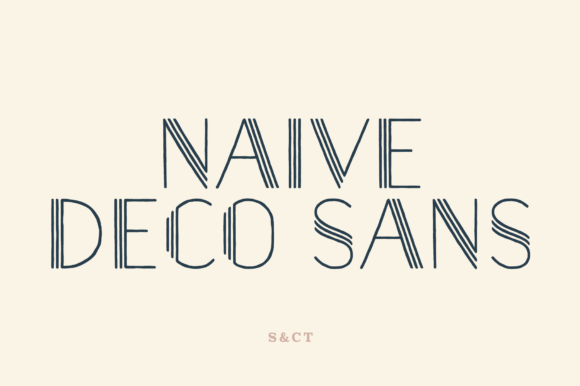
When it comes to typography, the right choice can make all the difference in how your message is received. Naive Deco Sans stands out as a versatile and expressive font that blends elegance with personality. Designed by Fanny Coulez and Julien Saurin in Paris, this layered sans serif handwritten font brings a fresh, whimsical touch to any design project.
At its core, Naive Deco Sans is crafted with finely irregular lines that mimic the natural flow of handwriting. This subtle imperfection gives the font a human feel, making it stand out from the rigid uniformity of most digital fonts. Whether you're creating branding materials, social media graphics, or editorial content, this font adds a unique charm that can elevate your visual storytelling.
The Art of Layered Design
What sets Naive Deco Sans apart is its structure. Available in two versions—double or triple lines—it offers flexibility depending on your design needs. The triple line version provides more depth and visual interest, while the double line option is ideal for simpler, cleaner compositions.
But the real magic lies in how the font is decomposed into three distinct parts. This decomposition allows designers to apply different colors to each component, enabling creative layering that enhances the overall aesthetic. By using compatible software like Photoshop, users can easily superimpose these parts and customize their color schemes, resulting in a visually striking outcome.
This level of customization makes Naive Deco Sans particularly appealing to professionals who value both creativity and precision. It’s not just about aesthetics; it's about control. You can tailor the look of your text to match your brand identity or the tone of your message, ensuring consistency across all platforms.
Who Benefits Most?
Naive Deco Sans is especially beneficial for creators, marketers, and educators who rely on strong visual communication. For instance, a small business owner launching a new product might use this font to create eye-catching packaging or promotional materials. The whimsical nature of the font can help convey a sense of playfulness, which can be a powerful tool in engaging younger audiences.
Freelancers and bloggers can also leverage this font to enhance their online presence. Using Naive Deco Sans in blog headers or social media posts can make their content more memorable and visually appealing. In a world where attention spans are short, standing out is crucial, and this font helps achieve that goal.
Additionally, educators may find this font useful for creating engaging lesson plans or educational materials. Its playful yet professional appearance can make learning more enjoyable for students, fostering a positive association with the content.
Practical Use Cases
- Branding: Use Naive Deco Sans for logos, taglines, and other branding elements to create a distinctive visual identity.
- Social Media: Incorporate the font into Instagram stories, Facebook posts, or Twitter threads to capture attention quickly.
- Print Materials: Apply the font to brochures, flyers, and posters to add a personal touch that resonates with your audience.
- Digital Content: Utilize it in website headers, email signatures, or newsletters to maintain a cohesive brand image.
Each of these applications demonstrates how Naive Deco Sans can support various goals, whether it's enhancing brand recognition, improving user engagement, or simplifying design decisions.
Limitations and Considerations
While Naive Deco Sans offers many advantages, it's important to consider its limitations. The font's intricate design may not be suitable for all contexts, particularly those requiring high readability at smaller sizes. For example, using it in body text for long-form content could lead to legibility issues.
Additionally, the need for color coordination when using the decomposed layers means that designers must invest time in planning their color schemes. This process, while rewarding, requires some level of technical skill and experimentation. However, for those who enjoy the creative process, this can be a valuable opportunity to explore new design possibilities.
It's also worth noting that not all design software supports the decomposed layers of Naive Deco Sans. Users should ensure they have the right tools in place before attempting to customize the font. While this may seem like a drawback, it actually encourages a more thoughtful approach to design, ensuring that the final result aligns with both the font's capabilities and the project's objectives.
Recommendations for Success
To maximize the benefits of Naive Deco Sans, start by identifying the specific goals of your project. If you're aiming for a whimsical and playful look, the triple line version will provide greater visual impact. On the other hand, if simplicity and clarity are your priorities, the double line version may be more appropriate.
Experiment with different color combinations to find what works best for your brand or message. Don’t hesitate to try out various layouts and placements to see how the font interacts with other design elements. Remember, the key to successful typography is balance—ensuring that the font complements rather than overwhelms the overall design.
Finally, always consider your audience. If your target demographic includes younger individuals or those who appreciate artistic expression, Naive Deco Sans can be a powerful asset. Conversely, if your audience prefers a more traditional or formal appearance, you may want to explore alternative fonts that better suit their preferences.
By understanding the strengths and limitations of Naive Deco Sans, you can make informed decisions that enhance your designs and communicate your message effectively. With its unique blend of creativity and functionality, this font has the potential to transform your visual projects in meaningful ways.