Symphoney Font Adds Warmth to Design
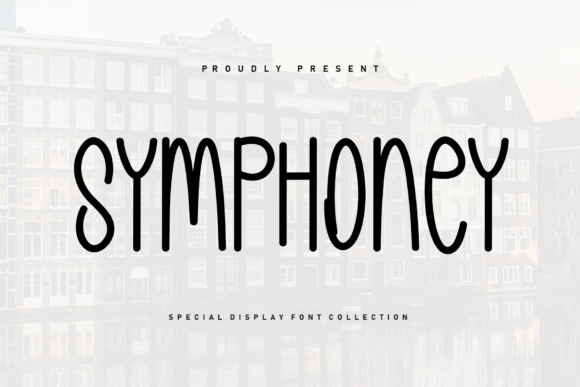
When it comes to typography, the right choice can transform a simple message into something memorable. Symphoney is a sweet and beautiful handwritten font that brings a unique charm to any design project. Its characters dance along the baseline, creating a cozy and inviting feel that’s perfect for both personal and professional use.
Typography isn’t just about aesthetics—it plays a crucial role in communication. The way text is presented can influence how it’s perceived, whether it’s for branding, marketing, or educational materials. Symphoney stands out by offering a handcrafted look that feels personal and warm, making it ideal for those who want to add a touch of personality without sacrificing readability.
A Handwritten Touch That Feels Personal
Symphoney is more than just a font; it’s an experience. Each character is designed with care, giving it a natural flow that mimics handwriting. This subtle imperfection adds character and authenticity, which can be especially valuable in creative fields where originality matters.
For designers, educators, and content creators, having a font that feels genuine can make all the difference. It allows for a more human connection with the audience, which is essential when building trust or conveying emotion. Whether it’s a greeting card, a social media post, or a website header, Symphoney has the ability to make text feel more personal and engaging.
Why Choose Symphoney for Your Projects
The benefits of using Symphoney go beyond its visual appeal. It offers practical advantages that can enhance various types of projects. For instance, in marketing, a font that feels warm and approachable can help brands connect with their audience on a deeper level. Similarly, in education, using a friendly and readable font like Symphoney can improve student engagement and comprehension.
One of the most significant advantages of Symphoney is its versatility. It works well across different platforms and mediums, from print to digital. Whether you’re designing a flyer, a presentation, or a blog post, the font maintains its integrity and readability, ensuring your message is clear and impactful.
Additionally, Symphoney is designed with usability in mind. Its characters are easy to read, even at smaller sizes, which is important for web design and mobile applications. This makes it a great option for anyone looking to create content that’s both stylish and functional.
Who Can Benefit Most from Using Symphoney
While Symphoney is suitable for a wide range of users, certain professionals and creatives may find it particularly useful. Marketers and brand managers often seek fonts that reflect a brand’s personality, and Symphoney offers a warm and inviting aesthetic that aligns with many brand values.
Freelancers and small business owners can also benefit from using Symphoney. It provides a cost-effective way to enhance their designs without requiring advanced design skills. For bloggers and content creators, the font can help differentiate their work and create a more engaging reader experience.
Designers working in the publishing industry may also find Symphoney useful for book covers, newsletters, and other printed materials. Its elegant yet approachable style can help attract a wider audience while maintaining a sense of professionalism.
Practical Use Cases for Symphoney
Let’s explore some real-world scenarios where Symphoney can make a meaningful impact:
- Event Invitations: A wedding invitation or a festival poster can benefit from the warm and personal feel of Symphoney, making the event feel more special and inviting.
- Website Headers: Using Symphoney as a heading font can draw attention and create a memorable first impression, encouraging visitors to explore further.
- Product Packaging: Brands looking to stand out in a crowded market can use Symphoney to add a unique and eye-catching element to their packaging design.
- Marketing Materials: From brochures to social media graphics, Symphoney can help reinforce brand identity and create a more personal connection with customers.
In each of these cases, Symphoney serves as a tool that enhances the overall message and improves the user experience. It’s not just about looking good—it’s about communicating effectively and connecting with the audience in a meaningful way.
Considerations and Limitations
While Symphoney has many strengths, it’s important to consider its limitations. As a handwritten font, it may not be the best choice for long-form text or technical documents where clarity and consistency are paramount. In such cases, pairing Symphoney with a more traditional serif or sans-serif font can help maintain readability without sacrificing style.
Additionally, Symphoney may not be suitable for all audiences. While its warm and friendly appearance appeals to many, some viewers might perceive it as too casual for formal or professional settings. It’s always a good idea to test the font in different contexts before finalizing a design.
Ultimately, the decision to use Symphoney should be based on the specific needs of the project and the desired outcome. By understanding its strengths and limitations, users can make informed choices that align with their goals and values.
Conclusion
Typography is a powerful tool that can shape the way messages are received and understood. Symphoney offers a unique combination of beauty, readability, and personality that can elevate any design project. Whether you’re a designer, marketer, educator, or entrepreneur, incorporating Symphoney into your workflow can help you create more engaging and effective content.
By choosing a font that reflects your brand’s values and connects with your audience, you’re not just improving the visual appeal of your work—you’re enhancing the overall communication and impact of your message. With Symphoney, you have the opportunity to create something truly special.