Lust: A Typeface for Digital Rebellion
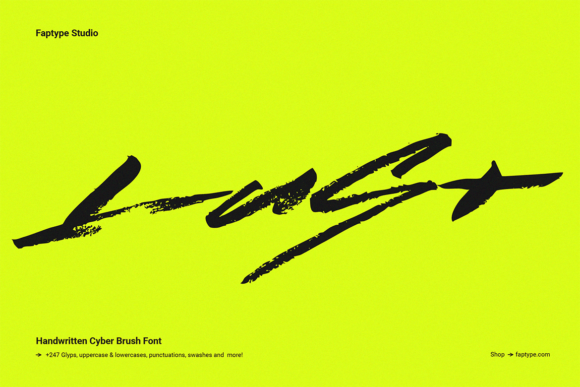
In the ever-evolving landscape of digital design, typography plays a crucial role in shaping visual communication. Among the many fonts available, Lust stands out as a unique and powerful tool for creators seeking to inject raw energy and urgency into their work. Designed with a distinct aesthetic that blends cyberpunk influences with handwritten brush strokes, Lust is more than just a font—it’s a statement.
The Aesthetic of Rebellion
Lust is crafted to evoke a sense of defiance and intensity. Its design is inspired by the chaotic beauty of digital ruins and the adrenaline-fueled world of underground coding. Each character carries an intentional distortion, not a glitch, but a signature that reflects the hand of its creator. This rough texture mimics the urgency of a midnight data heist or the rhythm of a heartbeat under neon lights.
The font’s brush-like strokes give it a human quality, contrasting sharply with the sterile precision of most digital typefaces. This imperfection is not a flaw; it's a feature. It adds a layer of authenticity and emotion that can be particularly effective in designs where the message needs to feel alive and unapologetically real.
Key Characteristics and Purpose
Lust is designed for use in a variety of contexts, from streetwear branding to vaporwave posters and cyberpunk interfaces. Its versatility makes it a valuable asset for designers working in genres that embrace the gritty, the synthetic, and the rebellious.
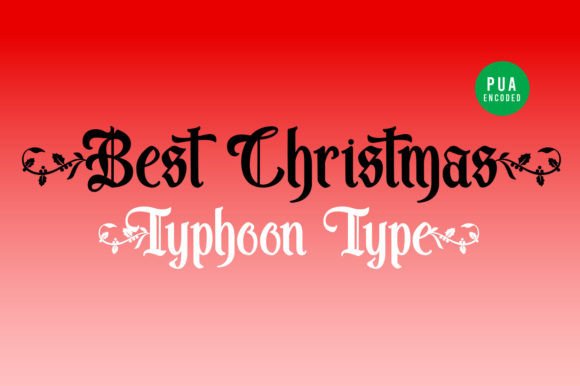
One of the standout features of Lust is its PUA (Private Use Area) encoding. This allows users to access all glyphs, swashes, and alternate characters effortlessly. For designers who need customization options, this level of flexibility is a major advantage.
The font also excels in conveying urgency and intensity. Whether used in a music cover or a website header, Lust can make a message feel electric and immediate. Its visual ideology aligns well with themes of resistance, chaos, and digital subculture.
Real-World Applications
When considering practical use cases, Lust shines in environments where the design needs to stand out and make an impact. For example, in streetwear branding, the font can help create a strong visual identity that resonates with a younger, edgier audience. Similarly, in vaporwave posters, the retro-futuristic aesthetic of Lust complements the genre’s nostalgic yet futuristic vibe.
For cyberpunk interfaces, Lust offers a way to infuse digital spaces with a human touch. In a world dominated by clean lines and minimalism, the raw energy of Lust can serve as a counterpoint, adding depth and character to otherwise sterile designs.
Another area where Lust excels is in grunge music covers. The font’s aggressive, handcrafted look aligns perfectly with the raw, emotional intensity often found in this genre. It can help reinforce the mood and message of the music itself.
Strengths and Limitations
One of the greatest strengths of Lust is its ability to convey emotion through typography. Unlike many other fonts that prioritize clarity over style, Lust embraces imperfection as a form of expression. This makes it particularly useful for projects where the goal is to evoke a strong emotional response.
However, there are limitations to consider. The font’s aggressive aesthetic may not be suitable for all contexts. For instance, in professional or formal settings, Lust might come across as too chaotic or unrefined. It’s important to assess whether the font’s style aligns with the overall tone and purpose of the project.
Additionally, while the PUA encoding provides flexibility, it requires some technical knowledge to fully utilize. Designers unfamiliar with these features may find it challenging to access all the font’s capabilities. That said, the effort required is often worth it for those who value customization and creative control.
Who Benefits Most from Lust?
Lust is ideal for designers and creators who work within niche markets such as cyberpunk, vaporwave, and grunge aesthetics. It is particularly beneficial for individuals involved in streetwear, digital art, music production, and web design.
Entrepreneurs and small business owners looking to build a brand with a strong visual identity may also find Lust useful. Its distinctive style can help differentiate a brand in a crowded market, especially if the target audience values creativity and originality.
Freelancers and bloggers who create content with a focus on digital culture, technology, or alternative lifestyles may also benefit from using Lust. The font’s rebellious spirit aligns well with these themes, helping to reinforce the message and tone of the content.
Practical Recommendations
If you're considering using Lust, start by evaluating the specific needs of your project. Ask yourself: Does the font’s style align with the message I want to convey? Will it resonate with my target audience?
It’s also important to test the font in different contexts before committing to it. Experiment with how it looks in various sizes, colors, and backgrounds. This will help you determine whether it maintains its impact across different applications.
Finally, consider the long-term value of the font. While Lust may be perfect for certain projects, it may not be the best choice for every situation. Having a diverse font library ensures that you can adapt to different design needs without compromising quality or consistency.
Conclusion
Lust is a powerful tool for designers and creators who seek to push boundaries and express themselves through typography. Its unique aesthetic, combined with its practical features, makes it a compelling choice for those working in niche markets or looking to stand out in a competitive landscape.
While it may not be suitable for every project, Lust has clear strengths in contexts where emotion, urgency, and rebellion are key. By understanding its characteristics and limitations, designers can make informed decisions about when and how to use it effectively.