Harvest Story: A Font That Speaks to the Heart
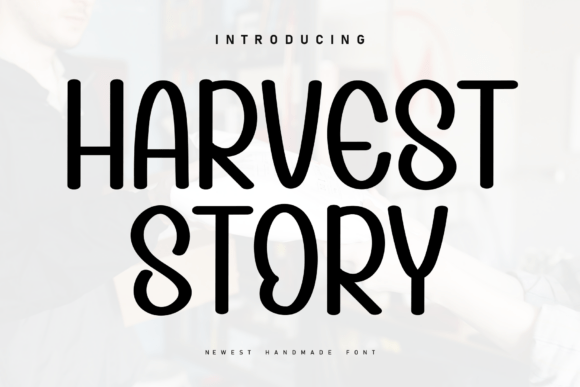
When it comes to choosing a font for your design projects, the right choice can make all the difference. Harvest Story is a handwritten font that brings warmth and personality to any project. With its smooth strokes and organic lines, this font evokes a sense of heartfelt perfection that’s hard to replicate. Whether you’re designing branding materials, crafting invitations, or creating social media graphics, Harvest Story offers a unique blend of charm and versatility.
Why Harvest Story Stands Out
Harvest Story isn’t just another handwriting font—it’s a statement. Its flowing, natural appearance gives it a personal touch that digital fonts often lack. This makes it ideal for projects where a handcrafted feel is essential. From wedding invitations to product packaging, the font adds an emotional layer that can resonate with your audience on a deeper level.
One of the biggest advantages of using Harvest Story is its adaptability. It works well across different mediums and sizes, making it suitable for both print and digital use. The font’s character set includes a wide range of letters and symbols, ensuring it can be used in various contexts without sacrificing readability or style.
Common Mistakes When Using Harvest Story
While Harvest Story is a beautiful font, there are several common mistakes people make when using it. These can affect the overall quality and effectiveness of their designs.
- Ignoring Readability: Handwritten fonts like Harvest Story can sometimes be difficult to read at smaller sizes. Designers often overlook this and end up with text that’s hard to decipher, especially on mobile devices.
- Mismatched Use Cases: Not every project benefits from a handwritten font. Using Harvest Story for a corporate brochure or a formal website might not align with the intended message or brand identity.
- Overlooking Licensing: Many designers assume that because a font is available online, it’s free to use. However, some versions of Harvest Story may require a license or subscription, which can lead to legal issues if not properly addressed.
- Not Testing Across Devices: Fonts can look different on various screens and operating systems. Failing to test Harvest Story on multiple platforms can result in inconsistent visuals and a poor user experience.
How These Mistakes Affect Your Work
Each of these mistakes can have a significant impact on your design outcomes. Poor readability can frustrate users and reduce engagement. Mismatched use cases can confuse your audience and dilute your brand’s message. Legal issues from improper licensing can damage your reputation and lead to costly consequences. Inconsistent visuals across devices can erode trust and diminish the professionalism of your work.
Practical Advice for Using Harvest Story Effectively
To avoid these pitfalls, consider the following tips when working with Harvest Story:
- Ensure Readability: Always test the font at different sizes and in various contexts. If the text is too small or too stylized, consider pairing it with a more readable sans-serif font for body text.
- Match the Font to the Message: Think about the tone and purpose of your project before selecting a font. Harvest Story is best suited for creative, personal, or artisanal projects rather than formal or technical ones.
- Check Licensing Agreements: Before downloading or using Harvest Story, review the licensing terms. Some fonts may require a purchase or subscription, especially for commercial use.
- Test on Multiple Devices: Preview your design on different screens and operating systems to ensure consistency. This helps maintain a professional appearance across all platforms.
- Use It Sparingly: While Harvest Story is visually appealing, overusing it can overwhelm your design. Reserve it for headlines, logos, or key elements rather than entire blocks of text.
Realistic Examples and Better Approaches
For instance, if you're designing a logo for a boutique café, Harvest Story could be perfect for the business name. Pair it with a clean, modern sans-serif font for the tagline to create a balanced look. On the other hand, using the same font for a financial report would likely confuse your audience and undermine your credibility.
Another example is using Harvest Story in social media graphics. While it adds a charming touch, ensure that the text remains legible on smaller screens. You might also consider using it as a background element rather than the primary text to maintain clarity.
What to Check Before Using Harvest Story
Before committing to Harvest Story, take a moment to evaluate the following:
- Intended Use: Is the font appropriate for your project’s purpose and audience?
- Licensing Terms: Are you allowed to use it commercially or for personal projects?
- Readability: Does the font remain clear and legible at different sizes and on various devices?
- Compatibility: Will the font work well with your design software and export formats?
- Visual Consistency: Does the font align with your brand’s aesthetic and messaging?
By carefully considering these factors, you can make a more informed decision and avoid potential issues down the line.
Conclusion
Harvest Story is a wonderful font that brings warmth and character to your designs. However, like any tool, it requires thoughtful application to achieve the best results. By understanding its strengths, avoiding common mistakes, and using it strategically, you can harness its beauty without compromising quality or usability.